https://jlinteriors.com
showroom@jlinteriors.com | (561) 347 7274




Kitchen Systems
Convivium With Lapis
Add to Wishlist
Add to Wishlist
Price available upon request
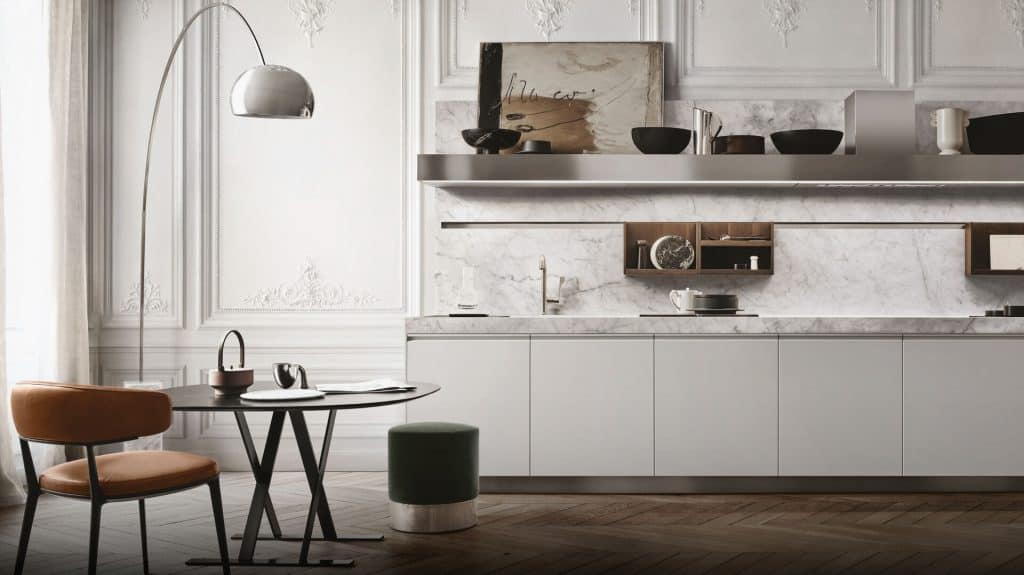
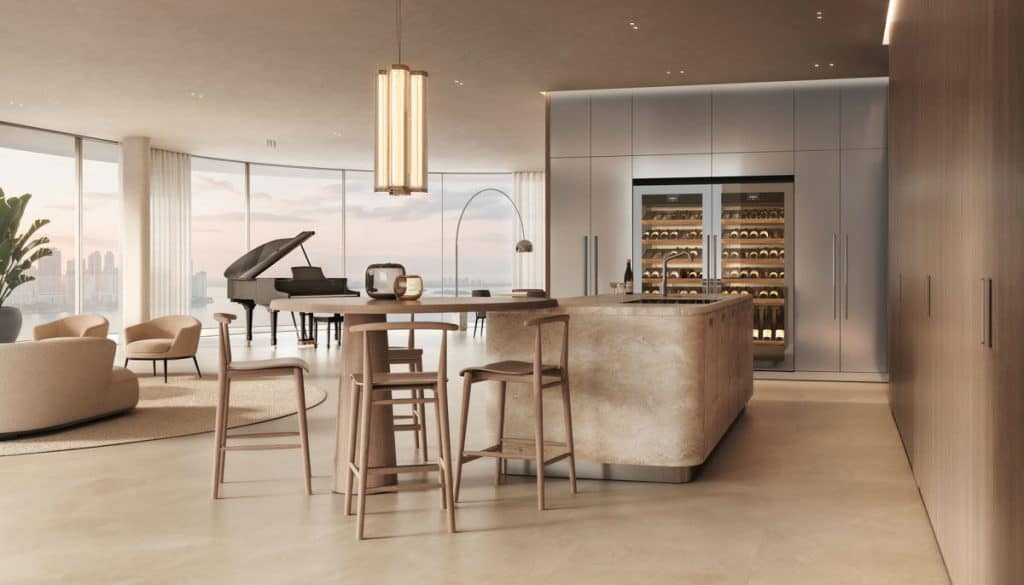
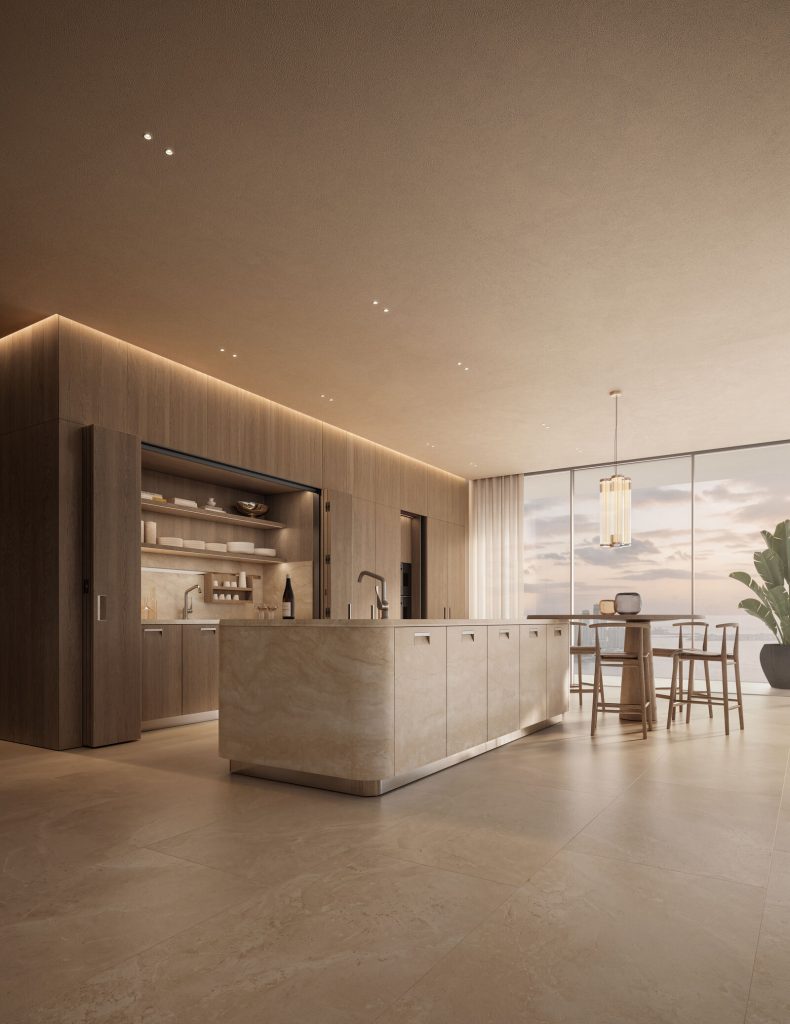
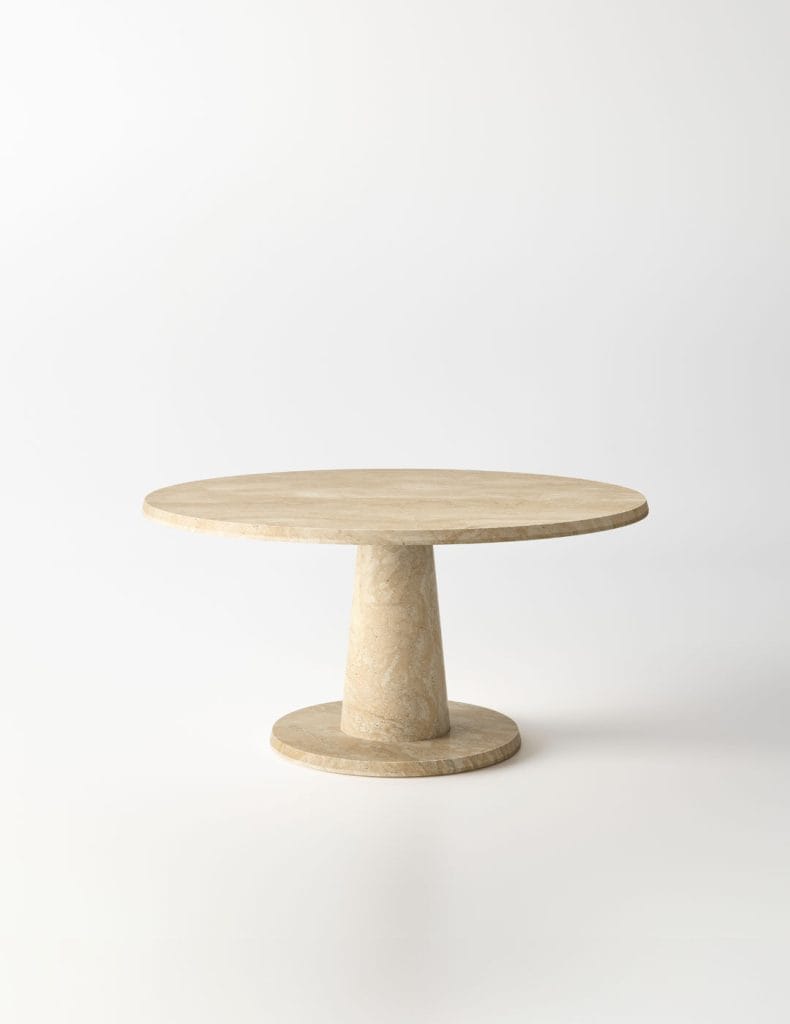
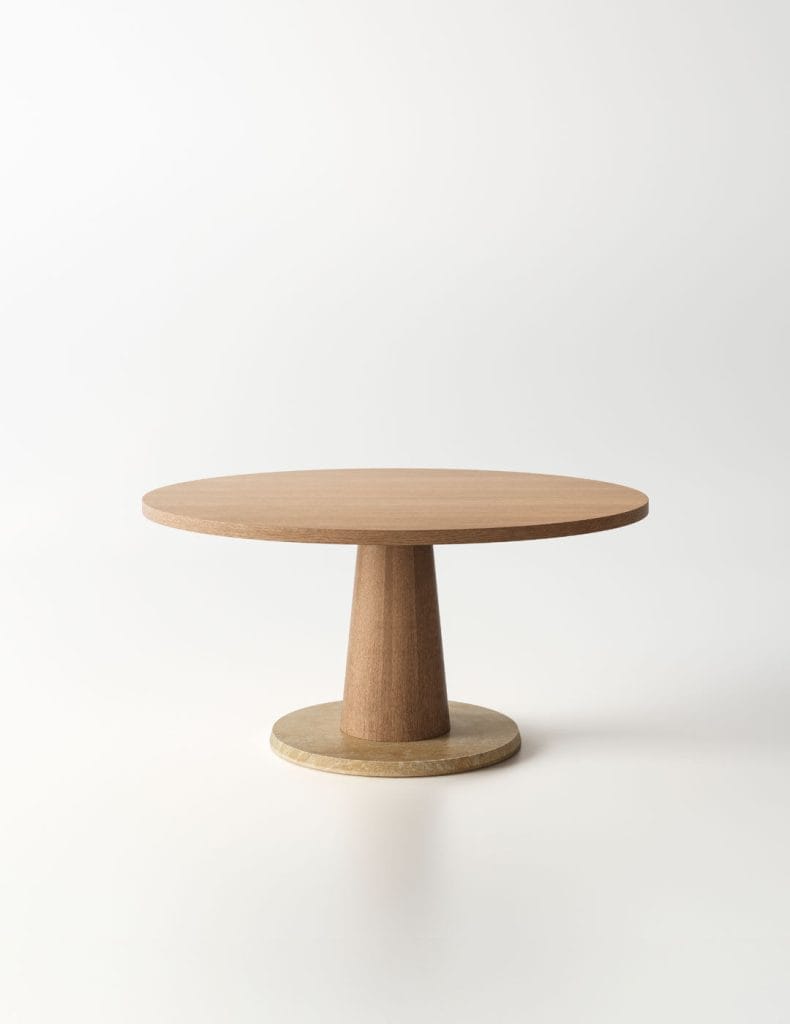
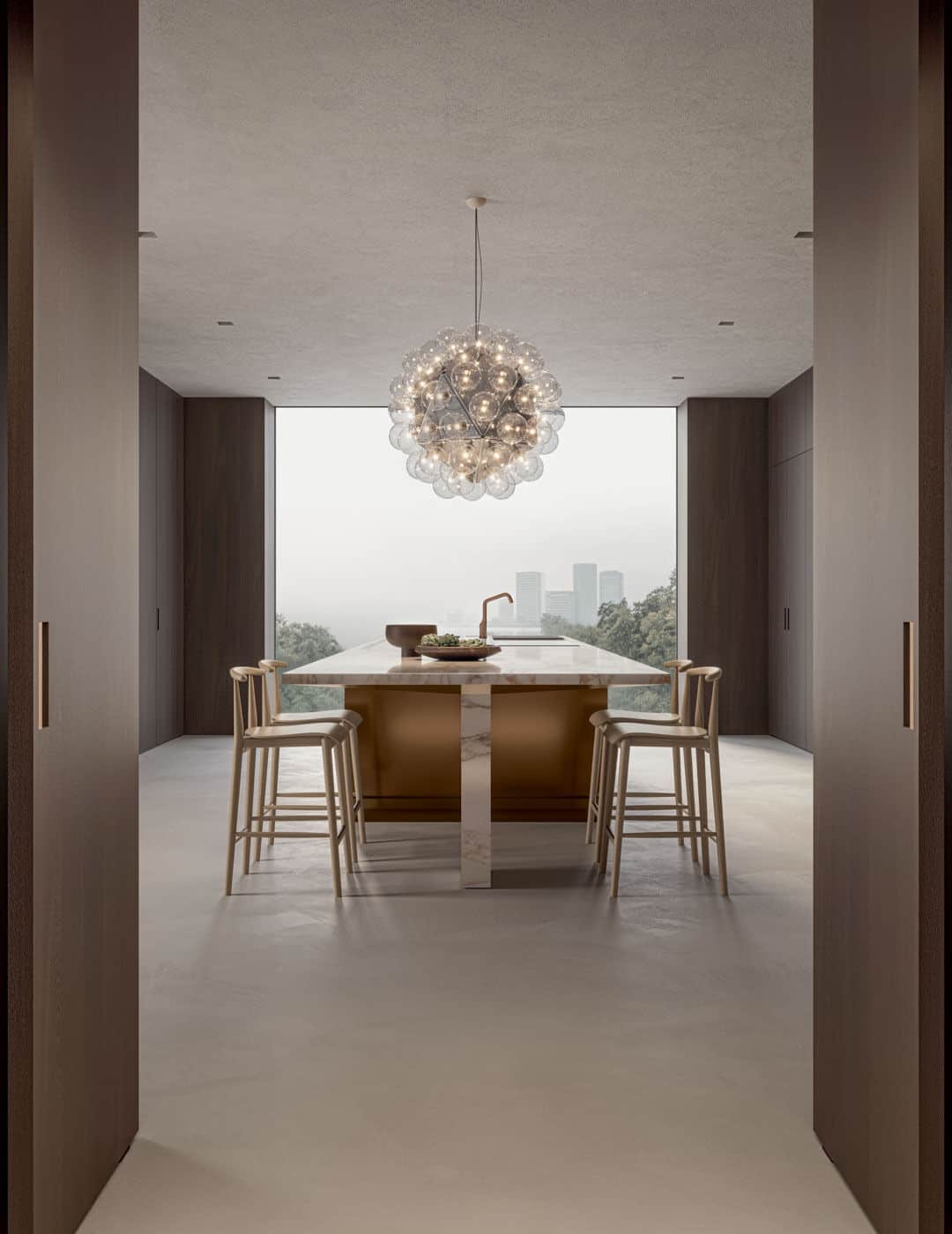
Antonio Citterio’s design vision continues the exploration of the kitchen as an increasingly open space, closely connected to the dining area. Within this framework, the Lapis table emerges, echoing and extending the language of the Convivium island to establish a natural continuity between functions. Conceived as a high table, it introduces a more relaxed and informal way of inhabiting the space, encouraging moments of interaction and sharing. The coherence of materials and detailing forms a harmonious whole, where each element engages with the others in a discreet yet precise dialogue.
“Convivium with Lapis is conceived as a single domestic organism, in which island and table are variations of the same architectural language.”
ANTONIO CITTERIO
Technical information
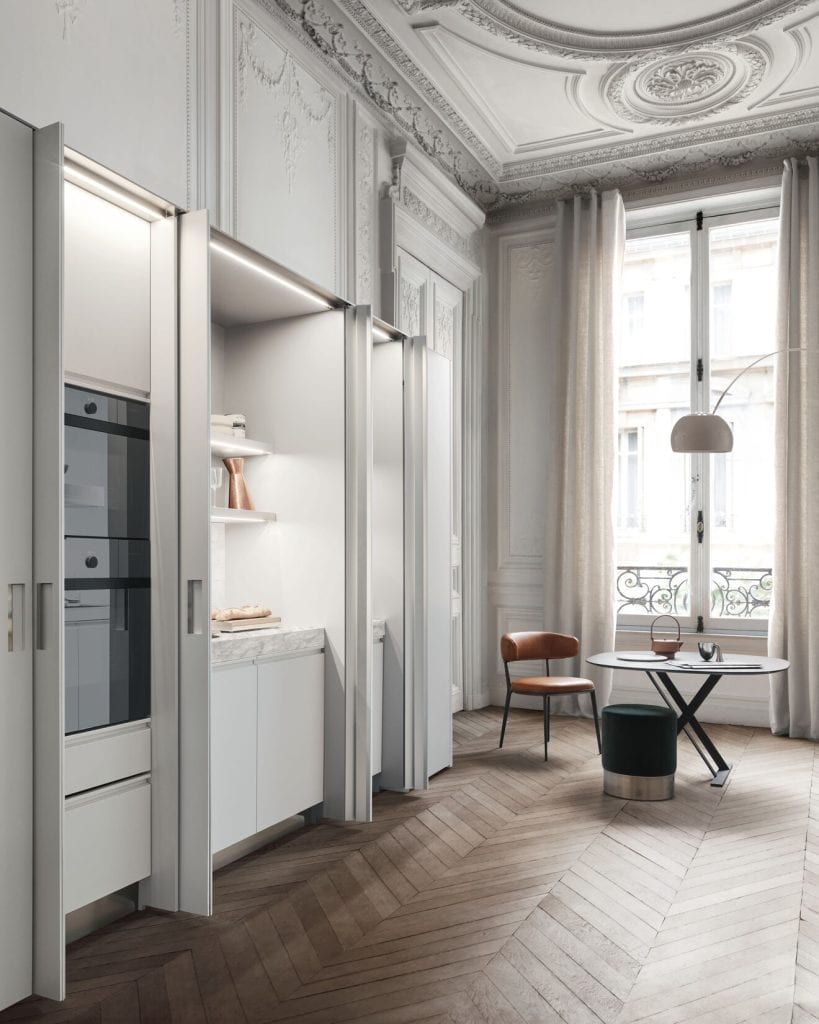
The island forms the focal point of the project, defined by a Calacatta Gold marble top carved from a single block. The veining develops symmetrically at the junction with the table, creating a continuous, precisely balanced pattern. The sink and tap in PVD Plus bronze stainless steel are seamlessly integrated. Jens stools in NTF brushed light oak introduce a note of lightness, completing the material balance. Surrounding the space, tapered shelves with integrated lighting run along the NTF fumé oak boiserie. The wall system with folding doors compacts and disappears within the tall units.
Brand: Arclinea
Arclinea’s identity originated in a series of values that have always been consistently dialogued. A story dating back to 1925, which transformed from “doing” to “knowhow” to then become a culture by anticipating, interpreting, and responding to changes in society and people’s behavior. Competence, acquired through the specialist production of kitchens, transforms thoughts and processes into articles that are already at their genesis as if in a unicum, connecting functionality and conviviality, practicality, and experience. A result of close links with its local area, the concept of Made in Italy championed by Arclinea is rooted in tradition, a value that no innovation can override, and an inspiration for creativity that becomes a culture of design. An ethical approach to the supply chain leads, on the one hand, to tangible sustainability in terms of product “duration” and "end-of-life" and, on the other, to attention to what is good and right for people and their environment: from tools to ingredients, starting with the kitchen.
Dimensions