

https://jlinteriors.com
showroom@jlinteriors.com | (561) 347 7274


Armchairs / Outdoor
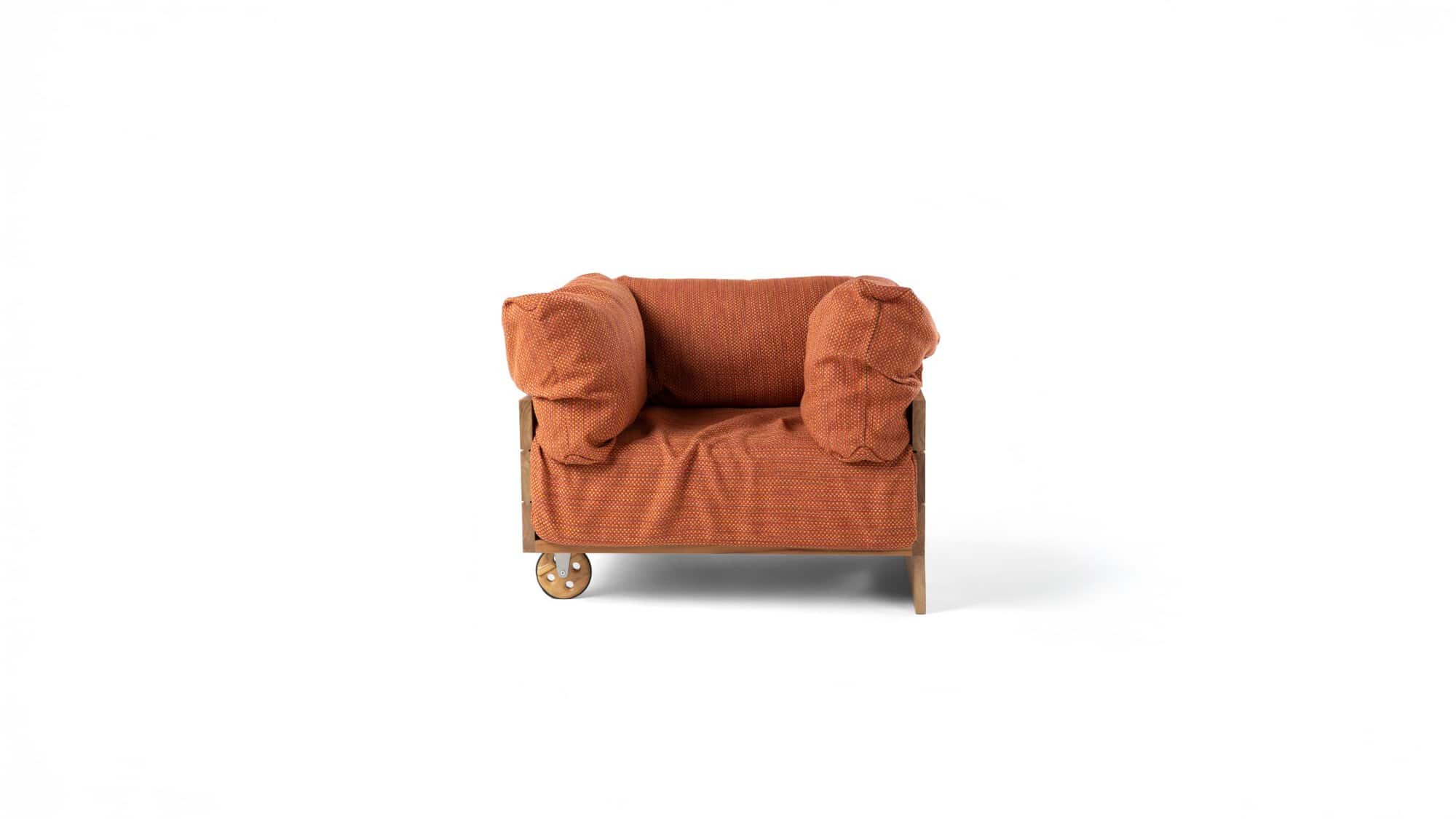
Moitará Outdoo Armchair
Add to WishlistRemove from Wishlist
Add to Wishlist
Price available upon request
From the Tupi language, "Moitará" refers to the traditional practice of exchanges between different indigenous peoples, characterized by a relationship of reciprocity and cooperation. This concept of exchange and fluidity is reflected in the works of architect Arthur Casas, who frequently blurs the boundaries between interior and exterior. If, through architecture, he manages to subtly integrate environments, his outdoor furniture now also reinforces this connection.
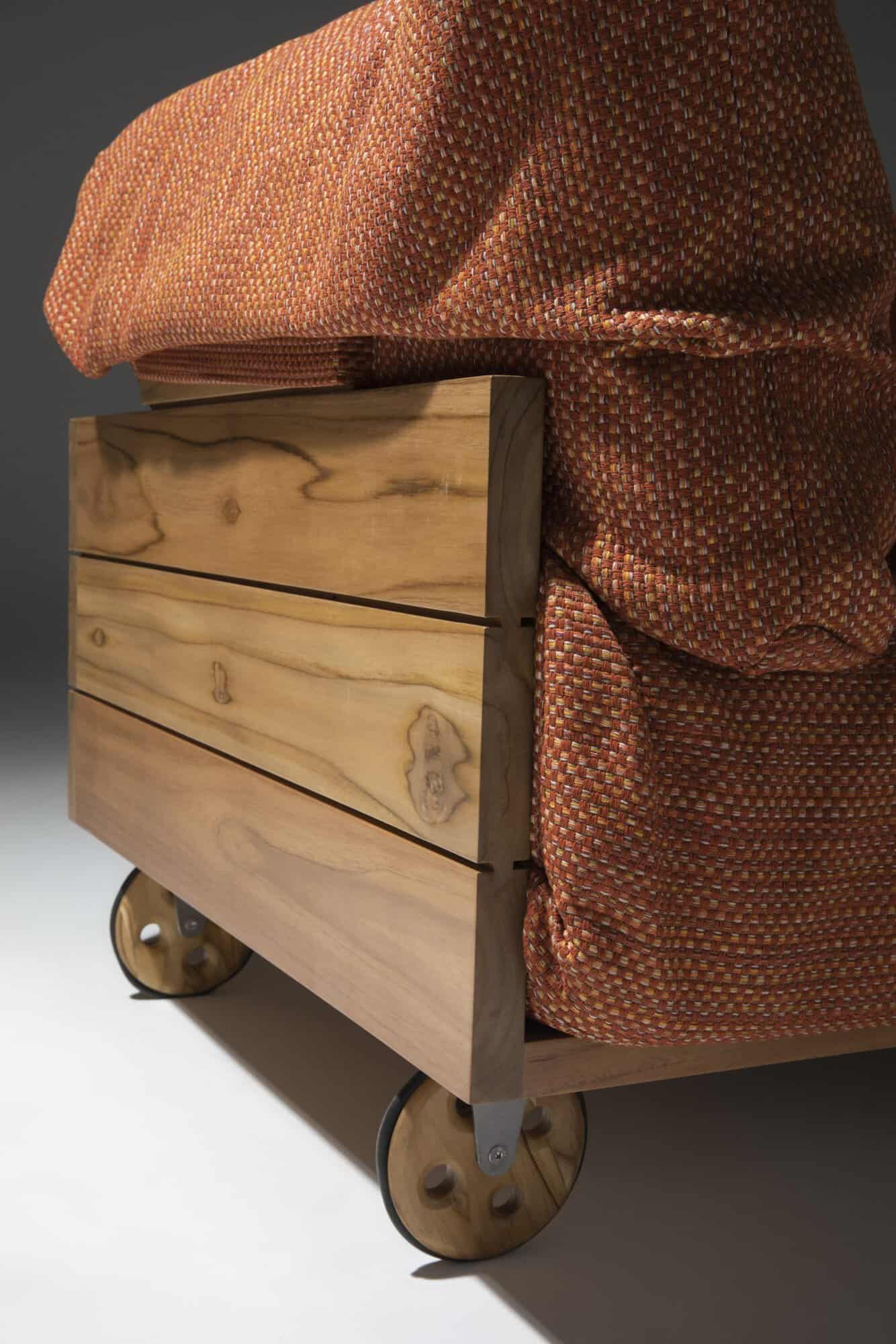
Moitará sofas, armchairs, poufs, and coffee tables don't follow the conventional look of outdoor furniture, often associated with metals, stretched fabrics, and synthetic materials. Instead, the collection features substantial upholstery and wood, allowing the furniture to move elegantly from the veranda to the living room. Functionality is enhanced by the wheels on the sofas, which facilitate movement and adaptation to the environment.
Thus, the collection translates the principles of exchange and integration into versatile, sophisticated, and cozy pieces, redefining the concept of outdoor furniture. After all, an outdoor sofa can indeed provide the same comfort and beauty as an indoor sofa.
Technical information
Measures
960 L | 830 W | 700 H mm
Materials
premium tea
fabrics +55 outdoor
960 L | 830 W | 700 H mm
Materials
premium tea
fabrics +55 outdoor
Brand: 55 Design
A 100% Brazilian design brand, we specialize in creating exclusive furniture pieces, each signed by one of 14 renowned designers under the curatorship of Clarissa Schneider.
We value care and delicacy—emotion and meaning. For us, every detail counts: from foam crafted with state-of-the-art machinery and raw materials sourced exclusively from Brazil, to partnerships that celebrate the richness of our cultural heritage.
Our creative process unfolds like a grand symphony, gaining rhythm with each stage—from sketching to sculpting, calendering to stitching, machining to cutting.
If the art of bringing furniture to life is akin to conducting an orchestra—with cutting-edge tools in the hands of a skilled team—then our store is a dance of interiors. Designed by Studio Arthur Casas, it was honored with the prestigious Building of the Year 2025 award.
Every choice contributes to a larger harmony. Volumes, proportions, geometries, and fittings—each element sparks dialogue and evokes a sense of meaningful complementarity.
We value care and delicacy—emotion and meaning. For us, every detail counts: from foam crafted with state-of-the-art machinery and raw materials sourced exclusively from Brazil, to partnerships that celebrate the richness of our cultural heritage.
Our creative process unfolds like a grand symphony, gaining rhythm with each stage—from sketching to sculpting, calendering to stitching, machining to cutting.
If the art of bringing furniture to life is akin to conducting an orchestra—with cutting-edge tools in the hands of a skilled team—then our store is a dance of interiors. Designed by Studio Arthur Casas, it was honored with the prestigious Building of the Year 2025 award.
Every choice contributes to a larger harmony. Volumes, proportions, geometries, and fittings—each element sparks dialogue and evokes a sense of meaningful complementarity.


